We match you with a guide who shares your faith and fits your season, then we handle everything around the conversation. Fifty minutes by video, on your schedule, charged after the session, never before.

BetterFaith is an online spiritual care service with its own team of guides. When someone comes to us, they tell us what they are carrying and what they believe. We match them with one pastor or biblical counselor from our team, and the two of them meet by video, week after week, for as long as it helps.
The care runs in two lanes. Biblical counseling for the heavier seasons: grief, marriage strain, church hurt, a life transition, the months before a wedding. And spiritual formation for the steady believer who wants depth: discipleship, spiritual direction, a real practice of prayer and Scripture, with a person a few steps ahead.
Every guide was hired, vetted, and trained by us. Nobody lists themselves. Nobody competes for bookings. That is the difference between us and a directory, and it is why a person can trust the name on the profile before they ever meet.

We are not a marketplace, not a therapy practice, and not a church.
Three steps, and the first one costs nothing.
A short questionnaire about what you are going through, what kind of support you want, and what you believe. About two minutes. No card, no commitment.
One person from our team whose theology, focus areas, and personality fit your story. You see their real name, verified credentials, and background before you book. If the fit is wrong, we rematch you for free.
Fifty minutes with the same guide, on a cadence that fits you. $100 a session, charged after it happens. Packs bring that down by up to 15 percent. If the first session misses, a full refund within 48 hours.
Thirteen guides today, every one of them on our team. Pastors, biblical counselors, chaplains, and seminary-trained mentors from Reformed, Wesleyan, Anglican, charismatic, and non-denominational traditions.
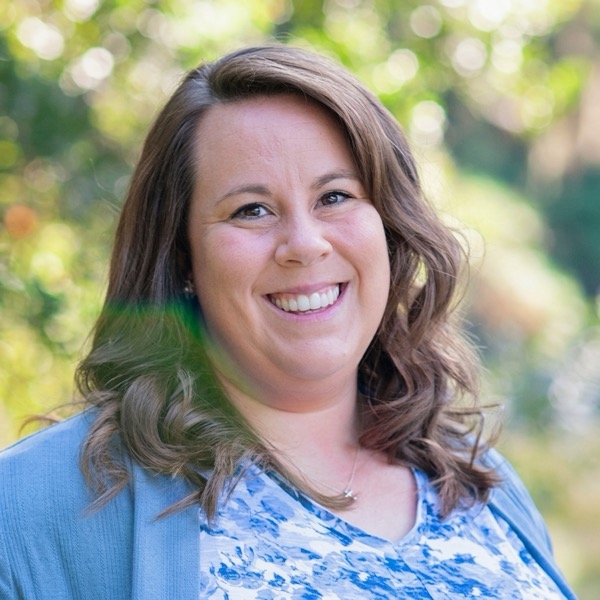
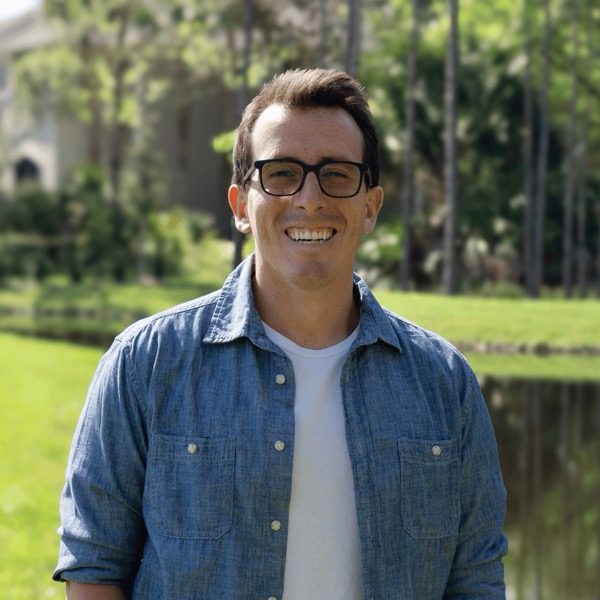
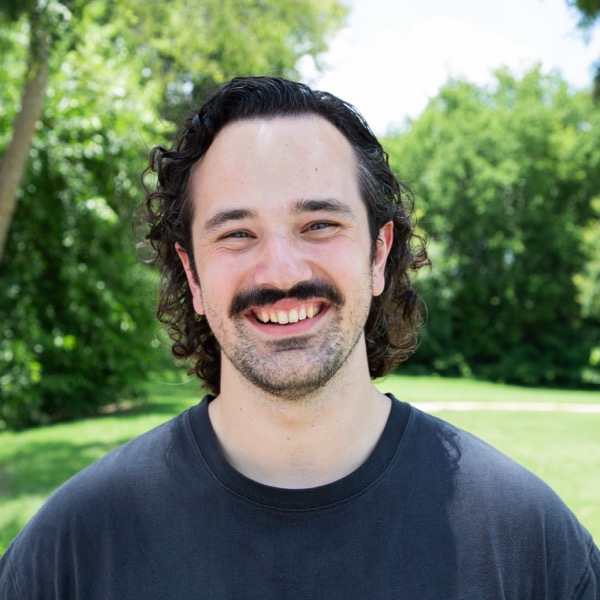
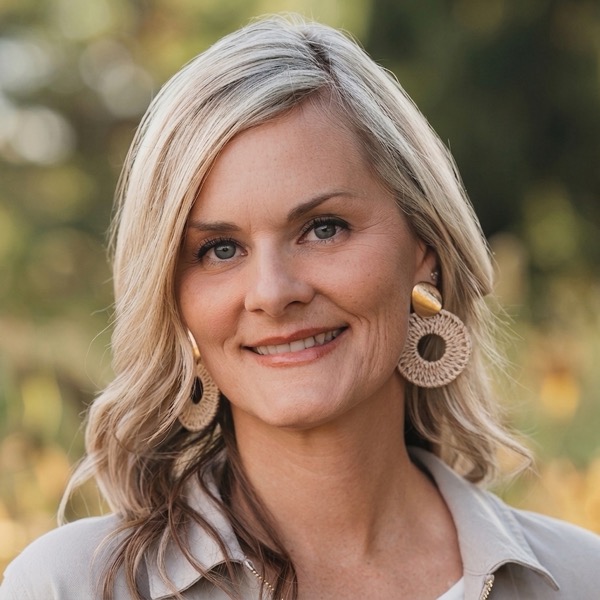
Lauren GrievesM.A. Pastoral Counseling
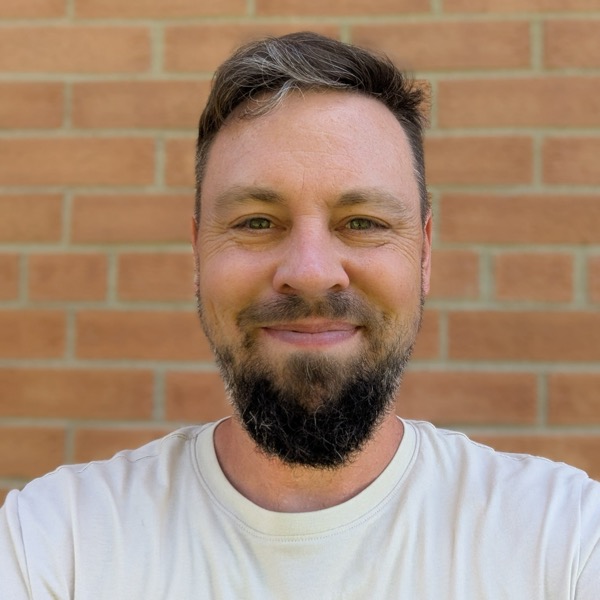
Adam ConnerD.Min., M.A. Pastoral Counseling
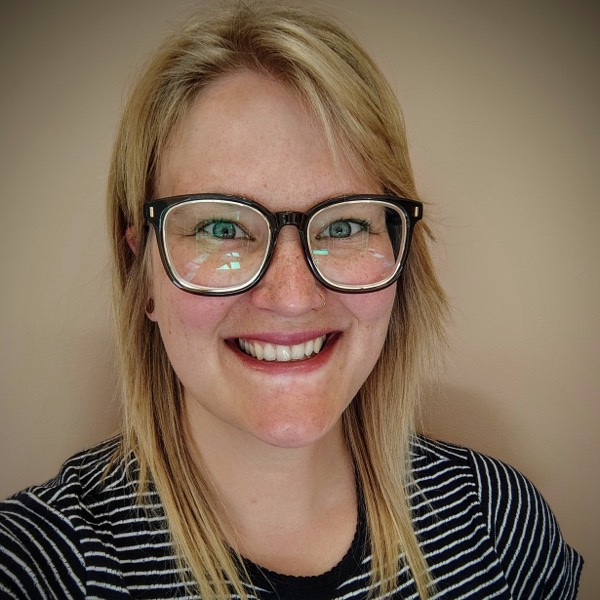
Rachael SmithM.Div., Western Theological Seminary
Chad SetterMaster of Divinity
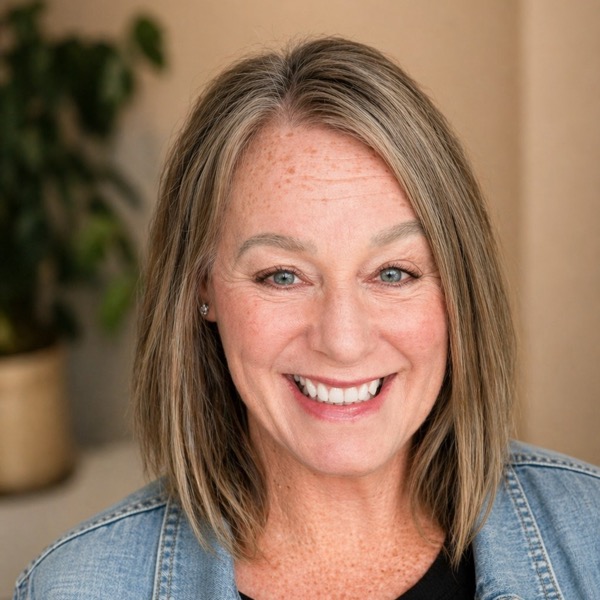
Cheryl StevensLicensed Pastoral Counselor, NCCA
Taylor CruzM.Div., Th.M.
Alexis ArellanoM.Div. Messianic Jewish Studies
Niberley WaltonM.A. Chaplaincy and Ministry of Care
Stoller ReinhardM.A. Theological Studies
Tiffani ScalzoMaster of Theology
Bryce JesterMaster of Ministry
David BrownB.A. Bible, M.A. Ministry
John MillerM.A. Theological Studies, Gordon-Conwell
Cole Bryant, Co-Founder and Head of People, runs every round. Over a decade in full-time ministry, then a master's in clinical mental health from Liberty University. He also built the training every guide completes before a first session.
"Vetted" gets said a lot in this category. This is what it means here. The full process is public on our site, and the profile shows only what survived it.
Graduate-level training in biblical counseling, pastoral counseling, or divinity, or equivalent pastoral experience. Active involvement in a local church.
How they counsel, how they handle a person whose theology differs from theirs, and what they do when someone brings them something they are not equipped for.
What they believe and how it shows up in a session. We are looking for people who can sit with someone in a hard place without needing to win the conversation.
The degree, the ordination, the certification, all checked rather than taken on faith. Plus a criminal background check.
Scope of care, confidentiality, mandatory reporting in their state, and no recording of sessions. Then our training program, before a first session.
Most people arrive with one of these. Many end up with both.
For the heavier seasons. A trained guide who listens first, opens Scripture slowly, and prays with you by name.
For the believer who wants depth. Discipleship with someone a few steps ahead, and a practice you can keep.
Faith is lived week to week, so every account comes with three free tools for the week-to-week. Private by default. Shared one entry at a time, by the person's own hand, and undone the same way. There is no setting that opens everything. We declined to build one.
Each morning it begins for you: one verse and one question worth answering. It keeps what you write, and it keeps your prayers, with answers recorded when they come.
Choose the disciplines you intend to keep and mark each day you kept them. No streaks, no percentages, nothing turns red. A gap is information, not a verdict.
Short courses of study in Scripture, in twenty-minute lessons. Nothing timed, nothing locked. A guide may send one with a note about why. Whether you begin is your decision.
Four groups, one product, one line that never moves: we come alongside the local church, never around it.
Adults who have a faith vocabulary and are tired of translating it. They come from a pastor who ran out of hours, a counseling experience that never understood why they pray, a search that returned a dated directory, or a hurt they have not said out loud. Many are men who never had a place to put this.
They find us through our guides on prayer, grief, anxiety, and church hurt, through the service pages, and through a two-minute match.
Congregations of a few hundred to a few thousand, where the care load lands on two or three people. We partner at no cost, forever. Members get 10 percent off every session automatically, pastors get a weekly digest that never breaks a confidence, and the staff get free guide hours of their own.
Churches can also sponsor sessions in full or in part for members who could not say yes on their own.
Owners whose faith is on the sign, who pay for the doctor and the dentist and have nothing for the soul. Every employee gets 10 percent off through the company link or a work email. Always optional, never tracked by name, reported only in aggregate. Companies that want to fund care buy a block of sessions and pay only for care that happens.
Some of the people we walk with have no church, or cannot go back to the one they had. Our church network lists partner churches we would send our own family to, in the church's own words, filterable by state and tradition. No church pays to be listed, and nobody is argued through a door.
Our guides are pastors and biblical counselors, not licensed therapists, and we never present them as such. They do not diagnose, treat, or use clinical language. Some of what people bring us needs a licensed clinician, and when it does, the guide says so and we help them find one. Saying that publicly is a strength, not a hedge.
The local church is primary. Guides are trained to send people back to their pastor, their small group, and their congregation every chance they get. We are not trying to be anyone's spiritual home. If we ever have to choose between conversion and that principle, the principle wins.
A place to bring something, not the producer of a result. The transformation is not ours to deliver, and saying so is both the legally safe posture and the theologically honest one.
We spent years in ministry, felt the burnout of care flowing one direction, and could not point a single person toward one-on-one spiritual care we trusted. So we built it.
The pattern for a session comes from the road to Emmaus. The day Jesus rose, he walked beside two grieving followers and, before he explained anything, asked them a question and let them say all of it. Only then did he open the Scriptures. That is the shape of every BetterFaith conversation: a guide who asks and listens first, and brings the truth of Scripture when you are ready to hear it, not a beat before.
Dakota MilnerCo-Founder and CEO
Cole BryantCo-Founder and Head of People